Read Time:
3 Mins

AI and Internal Mobility: Retaining Talent Through Smart Insights

By
CBREX

Recruiting new talent is only part of the story. Retaining and developing existing employees is equally critical — yet identifying the right internal candidates for new roles can be challenging. AI is quietly helping recruiters and HR teams make internal mobility strategic, targeted, and effective.

A real-world example: identifying untapped potential

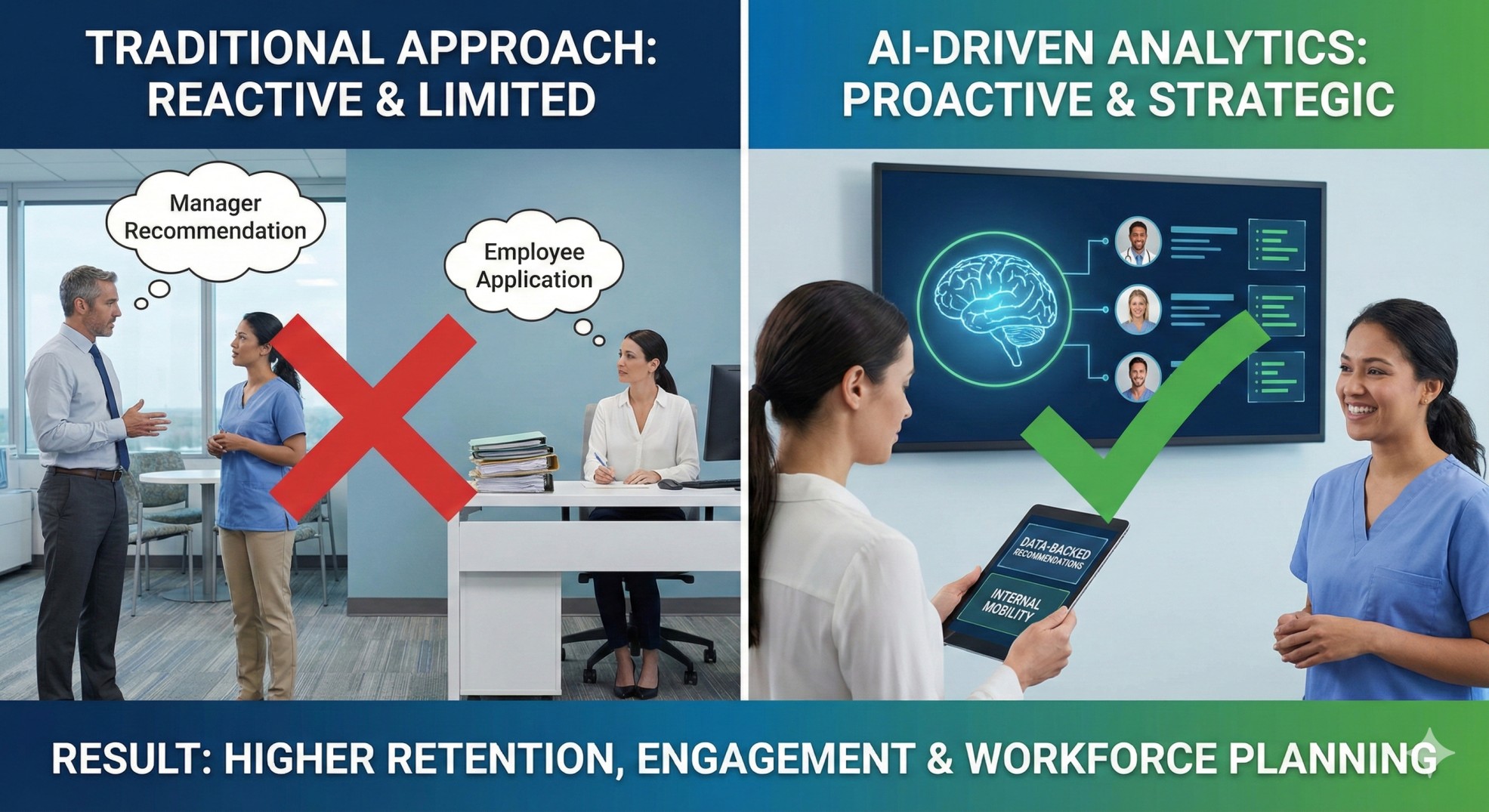
A large healthcare organization wanted to improve retention and develop leadership pipelines. Traditionally, internal candidates were considered only if managers recommended them or if employees applied for open roles — leaving many potential fits overlooked.

By introducing AI-driven talent analytics, the organization could match employees’ skills, experiences, and career goals to upcoming opportunities. Recruiters received data-backed recommendations for internal mobility, allowing them to engage employees proactively and align roles with both organizational needs and personal growth.

The result? Higher retention, better engagement, and more strategic workforce planning — without replacing recruiter judgment.
How AI supports internal mobility

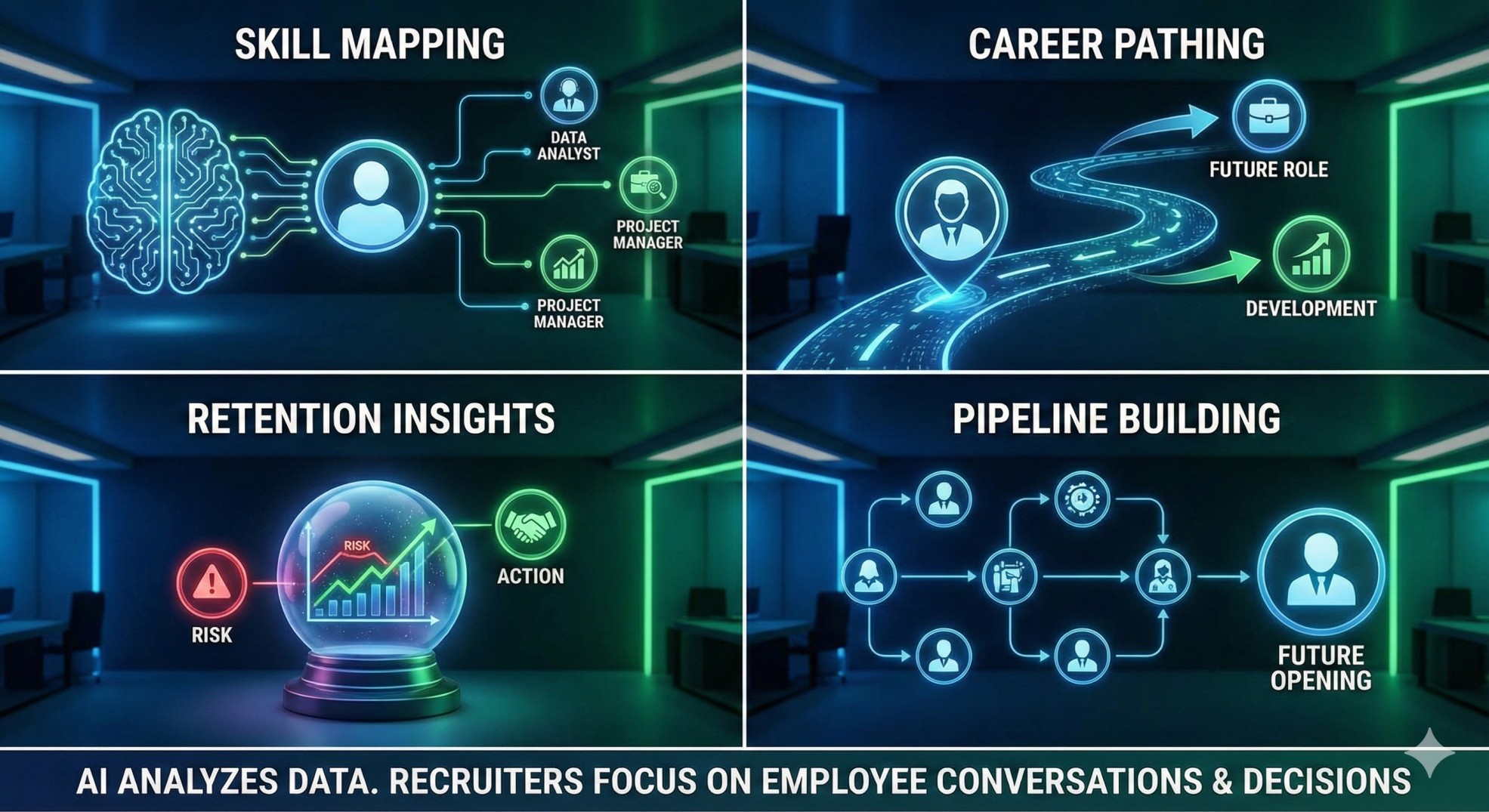
Recruiters and HR teams using AI for internal talent management see benefits such as:

  • Skill mapping: Identify employees with transferable skills for new roles.

  • Career pathing: Suggest development opportunities aligned with individual goals.

  • Retention insights: Predict potential turnover and act proactively.

  • Pipeline building: Maintain internal talent pipelines for future openings.

AI organizes and analyzes data, while recruiters focus on employee conversations, development guidance, and final decisions.
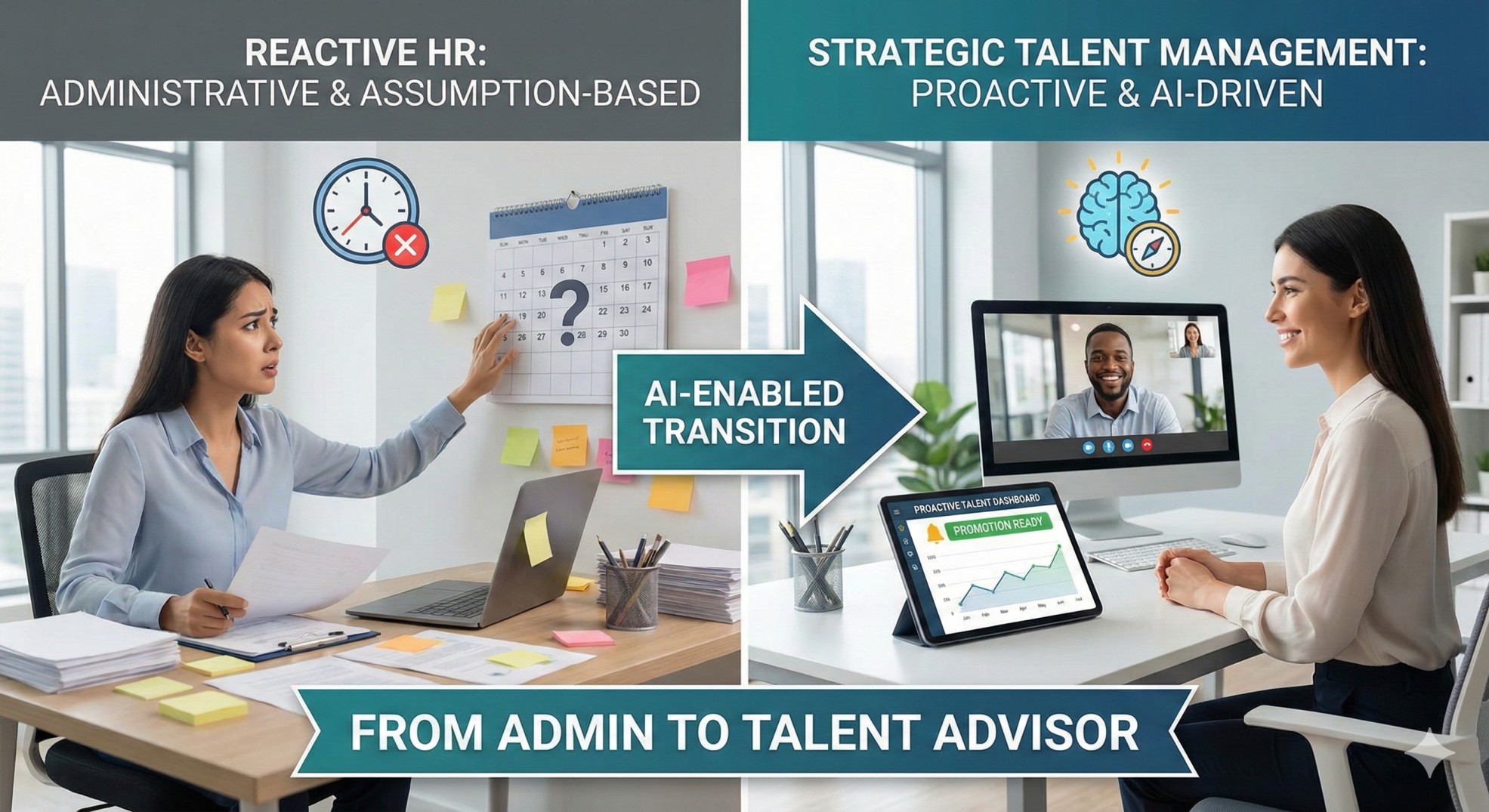
From reactive HR to strategic talent management

With AI handling data analysis:

  • Recruiters can proactively identify employees ready for promotion or lateral moves.

  • Internal candidates feel valued and engaged through timely communication.

  • Organizations can plan workforce development based on real insights, not assumptions.

  • Recruiters shift from administrative roles to talent advisors.

A quiet role for platforms in internal mobility

Platforms like CBREX help recruiters integrate internal mobility insights into their workflows. AI surfaces relevant internal talent and provides structured recommendations, while recruiters maintain control, guiding employee growth and placement decisions.

The takeaway

Internal talent is a company’s most valuable asset — and AI ensures recruiters can see and act on that potential.

By combining AI-driven insights with human judgment, organizations can retain and develop employees effectively, making hiring and career progression smarter, fairer, and more strategic.

Table of contents

Sign up for regular updates
Get all the news delivered to your inbox.
Thank you! Your submission has been received!
Oops! Something went wrong while submitting the form.

Similar blogs

Read Time :
2 Mins
Time-to-Productivity: The Hidden ROI of Technical Accuracy
In 2026, Time-to-Productivity (TTP) has replaced speed as the vital hiring metric. AI-driven recruitment exchanges boost this by using precision vetting and standardized assessments to ensure technical accuracy. By focusing on verified skills, organizations reduce costly "false positive" hires, accelerating onboarding and protecting overall ROI.
Read Time :
3 MINS
The "Recruiter Seat" Tax: Lowering Software Op-Ex in 2026
To cut "Recruiter Seat Tax" in 2026, firms are ditching costly SaaS licenses for recruitment exchanges. This shift replaces high software spend with outcome-based hiring, using one platform to access global talent and specialized vendors more efficiently.
Read Time :
2 Mins
The Recruitment Purge: Consolidating 100+ Vendors into One Platform
Managing fragmented recruitment vendors in 2026 creates costly administrative bottlenecks. The recruitment exchange model solves this by consolidating multiple contracts and data streams into a single platform under one Master Service Agreement. By centralizing procurement and utilizing AI-driven matching, organizations reduce operational friction, gain clear performance visibility, and scale hiring efficiently without losing access to specialized talent.